

Disclosure Sponsored Links: This post contains a paid-for sponsored link, meaning we have received compensation in exchange for including it. Sponsorship does not influence our content, but we believe in transparency regarding paid placements.
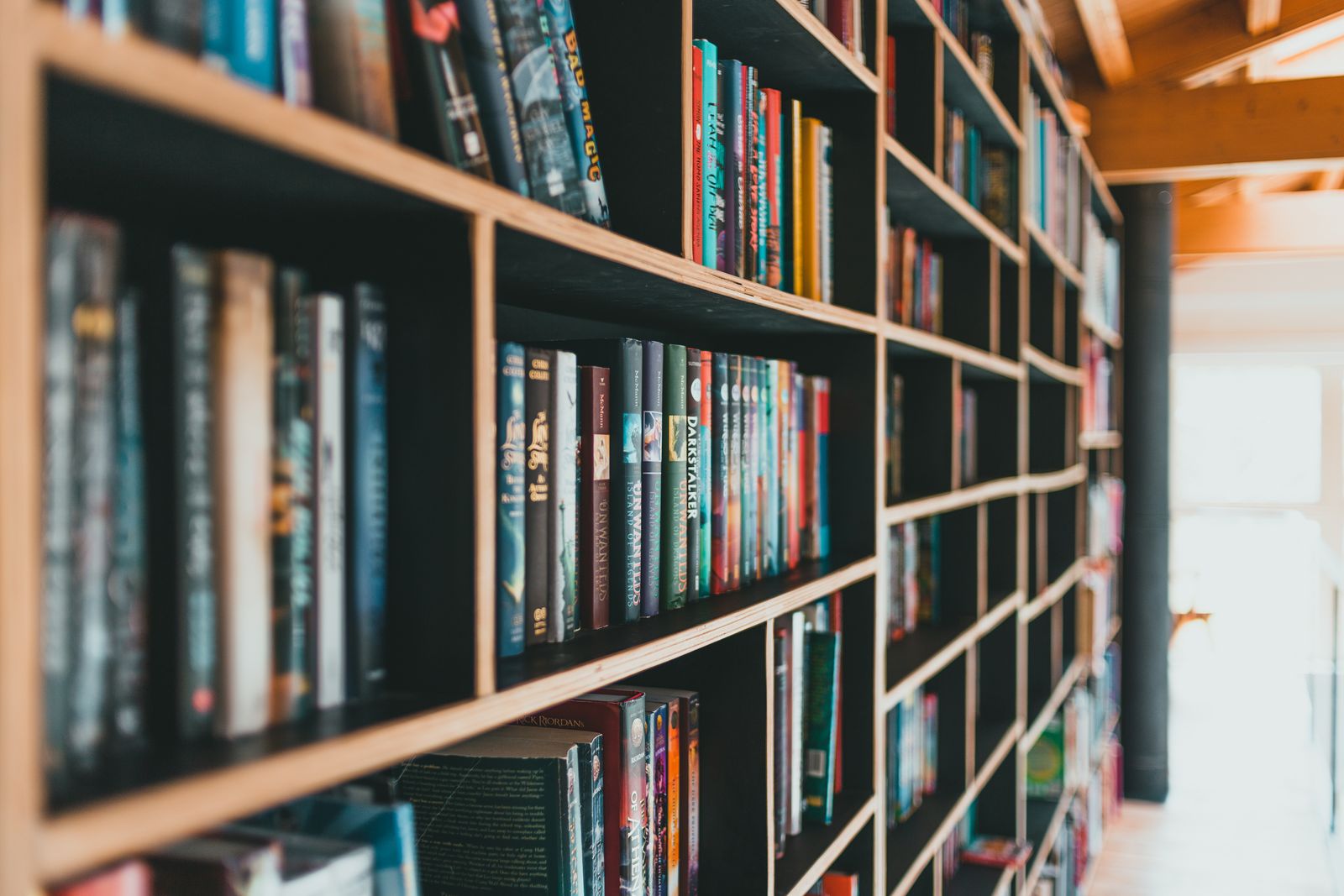
Art books are one of those things creative people collect almost without noticing. A useful drawing guide here, a printmaking book there, a colour theory reference from a past course, and before long the shelf is full. Some books become trusted studio companions, while others are used once or twice and then sit untouched for years. If you are clearing space, moving studio, or simply reviewing what you actually use, you can quickly check whether it is worth selling your unwanted titles online. One simple option is to scan and sell my books rather than leaving them to gather dust.
This is especially useful for art students, artists, printmakers and hobbyists who often build up a mixed collection of practical art books. With the WeBuyBooks App, you can scan books from your shelf and get an instant price, helping you decide what to keep, sell, donate or replace with something more relevant to your current creative practice.
Table of Contents
Why art books build up so quickly
Art books are easy to justify keeping because they feel useful, inspiring and often quite personal. A book on life drawing might remind you of college. A printmaking manual might have helped you complete your first lino print. A large art history book might be full of beautiful images, even if you rarely open it now.
The problem is that creative interests change. You might have started with acrylic painting, then moved into relief printing. You might have bought several beginner guides before investing in more specialist books. Over time, it is normal for a creative bookshelf to include titles that no longer match the way you work.
Decluttering does not mean getting rid of inspiration. It means making room for the books, tools and materials that genuinely support your current practice.
Which art books are worth keeping?
Before selling anything, it helps to sort your books into groups. Some are worth keeping because you use them regularly, while others may be better passed on.
Books worth keeping often include:
- Technical books you still refer to
- Specialist guides connected to your current medium
- Rare, signed or out-of-print books
- Books with personal notes, sketches or memories
- Artist monographs that still inspire your work
- Reference books that are difficult to replace
For printmakers, useful books might include guides on lino printing, etching, relief printing, screen printing, woodblock printing and colour registration. These are often books you return to when solving a practical problem in the studio.
Which art books can you sell?
The easiest books to sell are usually the ones you no longer use and could replace if needed. These might include duplicate books, old course texts, beginner guides you have grown out of, or books linked to a medium you no longer practise.
For example, you might have several general drawing books but only use one. You might own old design books from a course that are no longer relevant to your work. Or you may have picked up printmaking titles while exploring a technique, only to later focus on something else.
Selling these books can free up shelf space and give you money to put towards new materials, specialist tools or a more useful creative reference.
Popular types of art books people often declutter
Many artists and students build up similar types of creative books over time. These are some of the most common categories worth reviewing.
Drawing and sketching books
Drawing books are often bought early in someone’s creative journey. Titles covering figure drawing, perspective, anatomy, urban sketching and still life can be useful, but it is easy to end up with several covering the same ground.
Popular examples include books such as Drawing on the Right Side of the Brain, anatomy drawing guides, observational drawing manuals and sketchbook-based creative exercises.
Colour and design books
Colour theory, composition and design books can be valuable, especially for illustrators, designers and painters. However, older design books may become less useful if they are tied to outdated software, trends or course requirements.
Keep the ones that still help you make decisions. Sell the ones that no longer match your style or process.
Art history and artist monographs
Large art history books and artist monographs can take up a lot of space. Some are worth keeping for inspiration, especially if they focus on artists or movements you love. Others may be less useful once a course or project has finished.
If a book has beautiful images but you have not opened it in years, it might be worth checking whether someone else could make better use of it.
Printmaking books
Printmaking books are often more specialist, which can make them particularly useful to the right person. Books on lino printing, relief printing, woodblock, etching and screen printing can offer practical advice on tools, materials, inking, paper choice and registration.
For example, books such as Linocut for Artists and Designers, The Printmaking Bible and Printmaking: A Complete Guide to Materials & Processes are the kind of titles printmakers may keep close to hand.
There are also more specialist books focused on Japanese woodblock printing, known as mokuhanga. Titles by Terry McKenna, including Mokuhanga Fundamentals, Creative Print: Intermediate Mokuhanga, Sharp Tools: Sharpening Cutting Tools for Woodblock Printing and Mokuhanga for Children, are good examples of practical printmaking books that appeal to people learning or developing this traditional process.
How to decide what stays and what goes
A simple way to declutter is to take all your art books off the shelf and sort them into three piles:
- Keep
- Sell
- Unsure
The “keep” pile should be books you genuinely use, love or cannot easily replace. The “sell” pile should be books you feel ready to move on. The “unsure” pile can be left for a week or two. If you do not think about those books during that time, you probably do not need them.
It can also help to ask:
- Have I opened this in the last year?
- Does it support the work I make now?
- Could I find the same information elsewhere?
- Is it rare, signed or personally meaningful?
- Would I buy this book again today?
If the answer is no to most of these, it may be time to let it go.
Make space for the next stage of your practice
Creative books are valuable, but only when they are useful, inspiring or meaningful. A tidy shelf of books you actually use is often better than a crowded shelf of titles you feel guilty about keeping.
Selling unwanted art books can help you refresh your workspace, recover a little money and make room for new materials, better tools or more relevant guides. Whether you are a student clearing old course books, a printmaker refining your studio, or an artist making space at home, decluttering your art books can be a simple way to reset your creative environment.
The best art book collection is not always the biggest one. It is the one that helps you keep making.