

Disclosure Sponsored Links: This post contains a paid-for sponsored link, meaning we have received compensation in exchange for including it. Sponsorship does not influence our content, but we believe in transparency regarding paid placements.
Choosing between buying hardware and renting cloud space feels a bit like deciding whether to buy a house in the suburbs or rent a high-end apartment downtown. One offers the pride of ownership and long-term equity, while the other gives you the freedom to pack your bags and leave if the neighbors get too loud. But in the world of IT infrastructure, the stakes involve more than just a backyard—they involve your company’s scalability, cash flow, and your sysadmin’s sleep schedule.
Table of Contents
The “Ownership” Dream: Buying Your Own Metal
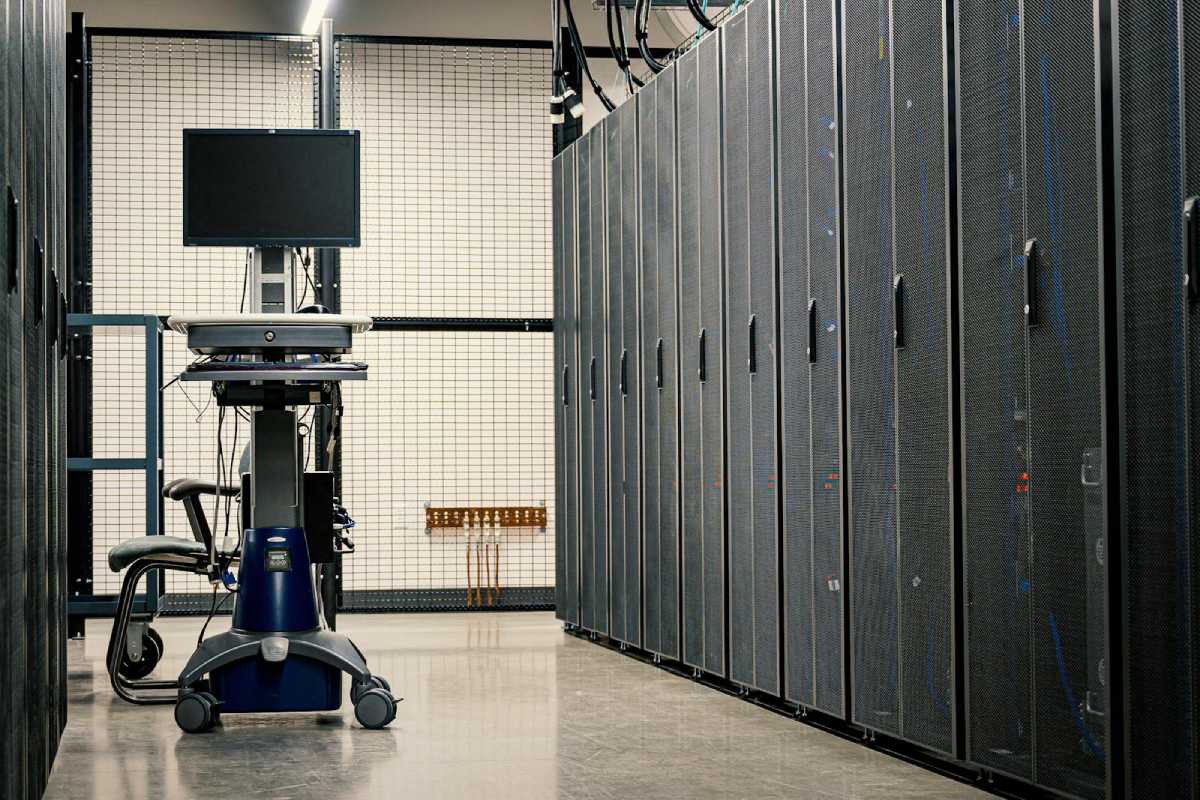
There is something undeniably satisfying about walking into a cool, humming server room and seeing blinking LEDs on a machine you actually own. It’s tangible. When you buy a server (On-Premise), you are the king of your castle. You control the BIOS, the hardware upgrades, and exactly who touches the disk drives.
However, keep in mind that hardware is a “depreciating asset.” Much like a new car that loses 10% of its value the moment you drive it off the lot, a server starts its journey toward obsolescence the second you break the seal on the box. According to IDC, the maintenance costs for a server can increase by up to 200% by its fifth year of operation. You aren’t just buying a box; you’re adopting a pet that gets hungrier and crankier as it ages.
Think of it this way: buying a server is like buying a high-end espresso machine. You pay a lot upfront, but every cup of coffee after that is “free” (minus the beans and electricity). But if the pump breaks or you decide you suddenly want cold brew instead, you’re the one stuck with the repair bill and the outdated tech.
The “Leasing” Reality: Renting the Cloud or Dedicated Boxes
On the flip side, renting a server (IaaS or Dedicated Rental) is the ultimate “not my problem” solution. If a RAM stick fries at 3:00 AM, you don’t have to drive to the data center in your pajamas. You simply send a ticket, and someone else handles the burnt plastic smell.
Renting allows you to pivot. If your startup grows from 100 users to 100,000 in a month, you don’t need to wait for a delivery truck to bring more hardware. You just slide a digital toggle and pay the difference. It’s the difference between building a gym in your basement and having a membership at a city-wide fitness club. One is always there, but the other grows with your muscles.
The Hidden Costs: What Nobody Tells You
We often look at the price tag on the website and think, “Oh, that’s cheap!” But the sticker price of a server is just the tip of the iceberg. You need to account for the “Silent Killers”:
- Electricity & Cooling: Servers are basically heaters that happen to do math. Keeping them cool costs a fortune.
- Physical Security: If you own the hardware, you need a locked room, cameras, and fire suppression.
- Redundancy: You can’t just have one server. You need two of everything (N+1) unless you enjoy explaining downtime to angry customers.
The Ultimate Benefit Calculation: Side-by-Side
To help you visualize the financial impact over a 3-year cycle, let’s break down the costs. Let’s assume we are comparing a mid-range server (64GB RAM, 10-core CPU).
TCO Comparison Table (3-Year Period)
| Cost Component | Buying (On-Premise) | Renting (Dedicated/Cloud) |
| Upfront CAPEX | $5,000 – $8,000 | $0 |
| Monthly Fee | $0 | $150 – $300 |
| Electricity & Cooling | ~$50 – $100 / month | Included |
| Maintenance & Labor | Your IT Team’s Time | Provider’s Responsibility |
| Scaling Flexibility | Hard (Must buy new parts) | Instant (Upgrade plan) |
| 3-Year Total (Est.) | $8,600 – $11,600 | $5,400 – $10,800 |
The Emotional Rollercoaster of Hardware Failure
Imagine it’s Friday evening. You’ve just poured a glass of wine, and your phone buzzes. The RAID controller on your “owned” server has decided to give up the ghost. You realize the replacement part won’t arrive until Monday. Your stomach drops. You feel that cold sweat because the company’s entire database is sitting on a dead piece of silicon.
In that moment, would you rather “own” that hardware, or would you rather be able to click a button and restore a snapshot to a new virtual instance in five minutes? Sometimes, the “extra” cost of renting is actually just a premium for your own mental health. Is your peace of mind worth $100 a month? Most CTOs would say it’s worth ten times that.
When Does Buying Actually Make Sense?
I don’t want to sound like a cloud-only zealot. There are very specific scenarios where buying is the smarter move:
- Steady Workloads: If your resource usage is flat and predictable for 5 years, the “Espresso Machine” logic wins.
- Compliance & Data Sovereignty: If you are handling top-secret government data or ultra-sensitive medical records, having the “Physical Box” under your direct watch might be a legal necessity.
- High-Performance Computing (HPC): If you are doing massive video rendering or AI training that keeps the CPU at 100% 24/7, cloud costs will eat you alive.
According to a study by 451 Research, while the cloud is great for agility, roughly 20% of enterprises have actually moved some workloads back to on-premise (a trend called “cloud repatriation”) because the monthly bills became unpredictable.
Practical Advice: The “Hybrid” Middle Ground
You don’t have to pick a team. Most modern businesses use a hybrid approach. They keep their core, unchanging databases on hardware they own or lease long-term (the “foundation”) and use the cloud to handle “bursty” traffic (the “tent”).
Think of it like transportation. You might own a reliable car for your daily commute (On-Premise), but you rent a large van when you’re moving house or hire an Uber when you’re in a new city (Cloud). Why should your IT strategy be any less flexible?
Making the Final Call
So, where do you stand? If you are a startup with fluctuating needs and limited cash, renting is your best friend. It preserves your capital and lets you fail—or succeed—fast. If you are an established firm with a massive, unchanging workload and a dedicated IT department, buying might save you a significant chunk of change over the next decade.
Before you sign any contracts, ask yourself: Am I in the business of managing hardware, or am I in the business of delivering software?
Don’t get distracted by the shiny metal. Focus on what keeps your business running smoothly. If you’re still undecided, try renting a small instance today to test your workload. There’s no better way to learn than by doing. Go ahead — rent and spin up a dedicated server! Feel the power of a data center at your fingertips — no screwdriver needed!