

Writing an art dissertation is an exciting yet challenging journey. One of the most crucial aspects of this process is proper citation. Not only does it lend credibility to your work, but it also allows your readers to trace the sources you’ve referenced. In this article, we’ll dive into essential citation tips that every art student should keep in mind while working on their dissertation.
Table of Contents
Why Proper Citation is Important for Your Art Dissertation
Proper citation is more than just an academic requirement. It’s a tool for demonstrating the depth of your research and the reliability of your sources. Without proper citations, you risk plagiarism and undermine the integrity of your dissertation.
Avoiding Plagiarism and Legal Issues
Citing sources accurately helps you avoid accusations of plagiarism. Whether you’re quoting an artist’s work, referencing critical art theories, or discussing historical movements, giving credit where it’s due is essential to maintaining academic integrity. It’s easy to overlook a source or forget to mention an idea that isn’t your own, but citation ensures that all sources are properly attributed.
Building Credibility with Your Sources
When you reference reputable art critics, curators, or primary sources, you’re adding weight to your arguments and showing your readers that your findings are grounded in credible research. For students, understanding how to properly cite sources can make the difference between a strong dissertation and one that lacks academic rigor. Many students also turn to EduBirdie to ensure their work is meticulously formatted and cited, aligning with scholarly standards. A well-cited dissertation is seen as a thorough and well-supported study. It’s not just about showing where your ideas come from; it’s about showing that you’re engaging with relevant and authoritative voices in the field.
Different Citation Styles in Art Dissertations
In art, the citation style you use often depends on your university’s guidelines or your discipline’s standards. Familiarizing yourself with the most common citation styles used in art dissertations will save you time and help you stay organized.
Chicago/Turabian Style for Art History
Chicago is one of the most widely used styles in art history, offering both author-date and notes and bibliography formats. Depending on the depth of your sources, you’ll likely use footnotes or endnotes to cite books, articles, and images. Art historians often prefer this style because it allows for the inclusion of more detailed citation information, including images of artwork, without overcrowding the text.
MLA and APA Styles for Visual Arts
If your art dissertation leans more towards contemporary art studies, you might use MLA or APA citation styles. While MLA is often used for the humanities and visual art, APA is frequently applied to more scientific studies, such as the psychological impacts of art. Understanding the differences between these styles ensures that your work is formatted correctly and aligns with disciplinary expectations.
Hybrid Approaches to Citation
Some universities or professors might require a combination of citation styles, particularly when you’re referencing both historical artwork and contemporary visual culture. Familiarizing yourself with multiple styles will ensure you can adapt to any citation demands. For instance, you might use Chicago for historical references and MLA for contemporary art discussions, depending on the context.
How to Properly Cite Artworks and Images
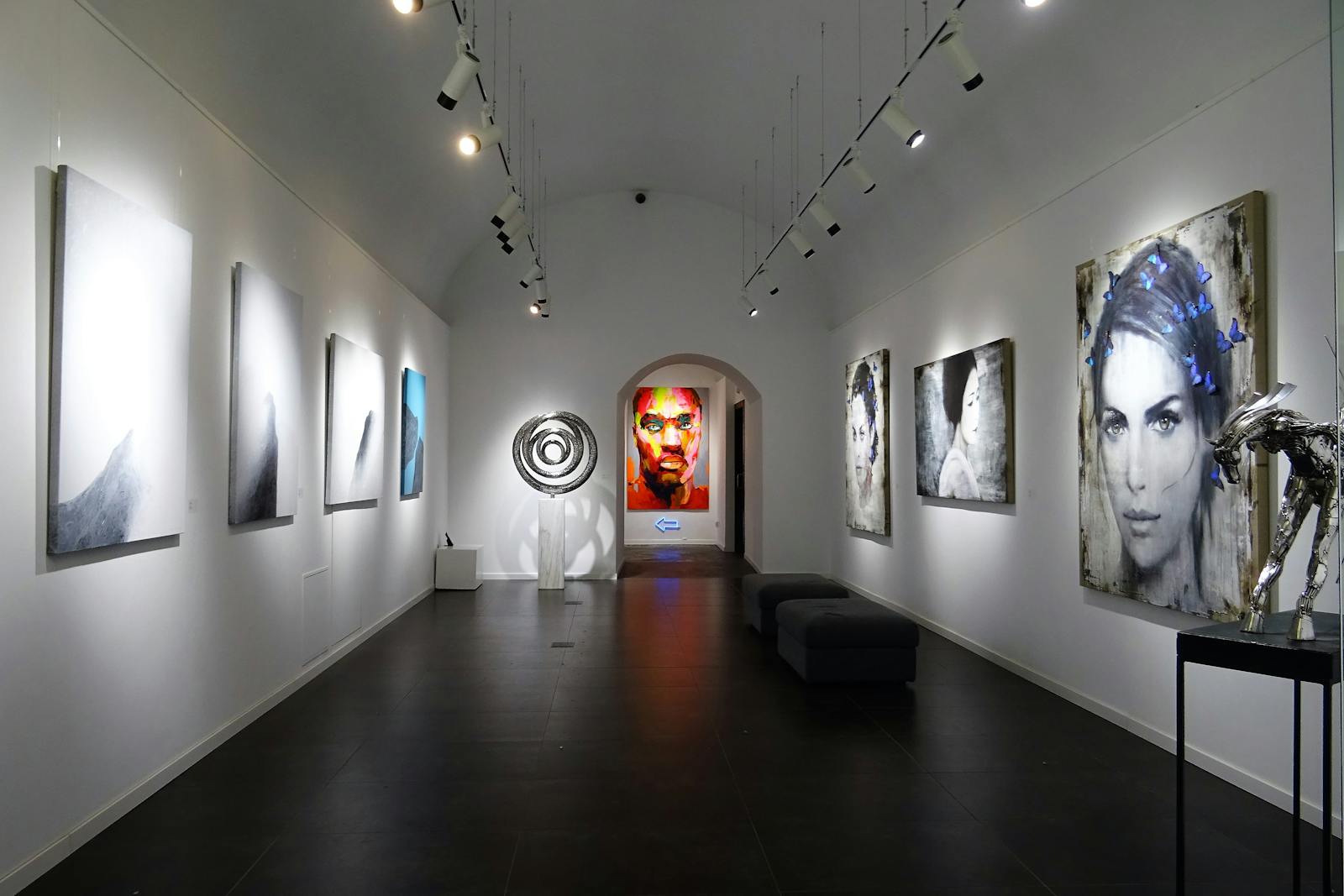
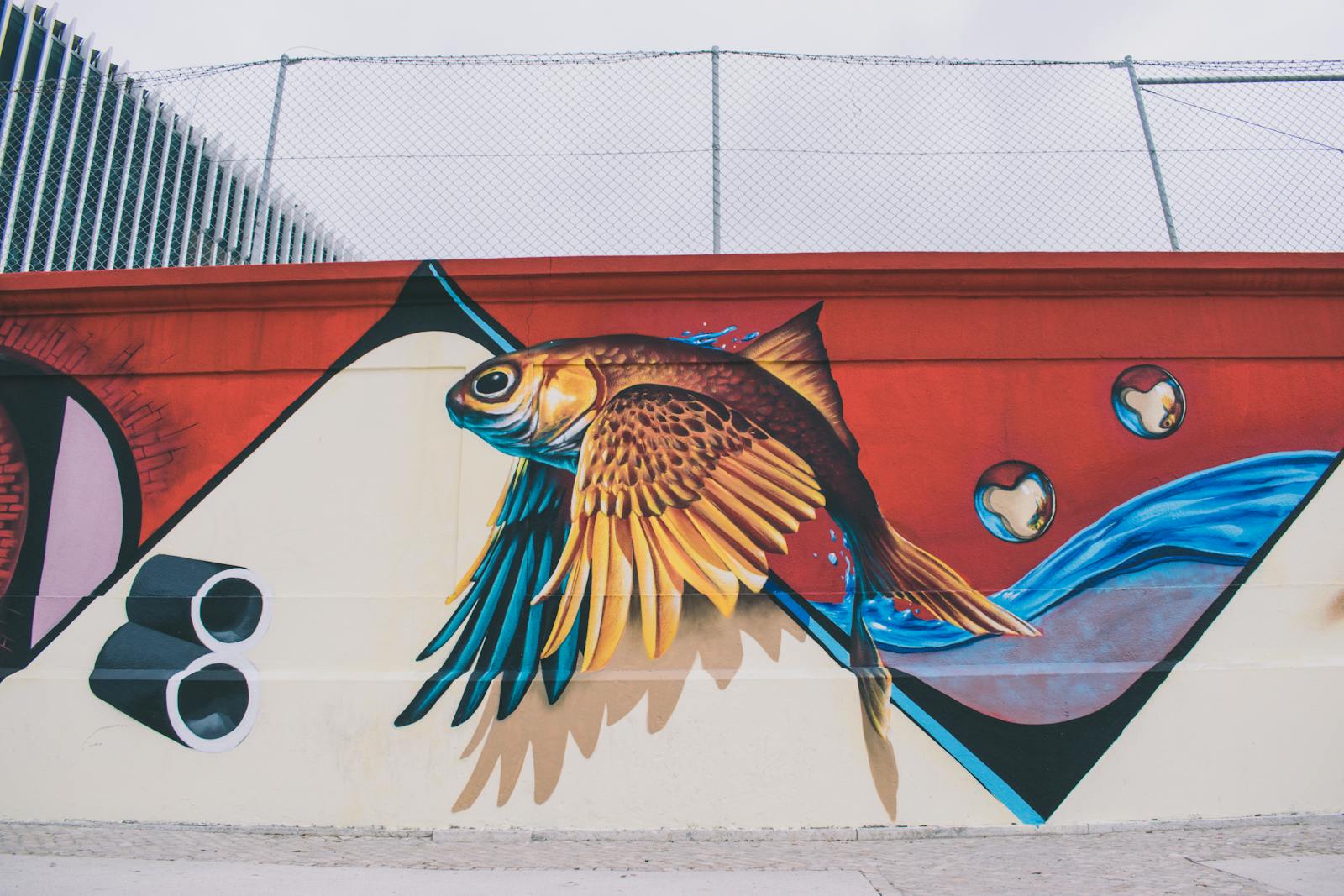
When working on an art dissertation, you’ll often include images of artwork, galleries, and exhibitions. Accurately citing these visual references can be tricky, but it’s essential for avoiding errors and respecting copyright.
Citing Artworks in Footnotes and Bibliography
When citing a piece of art, always include key details: the artist’s name, the title of the work, the year it was created, the medium used, and the location of the artwork (e.g., gallery, museum). For example:
- Leonardo da Vinci, Mona Lisa, 1503–1506, oil on canvas, Louvre Museum, Paris.
This format is consistent across most citation styles and helps your readers locate the original work easily.
Managing Citations Effectively
Keeping your citations organized is essential for a smooth writing process. The last thing you want is to scramble through your notes, trying to remember where you found a quote. Fortunately, there are several tools that can help streamline the citation process.
Citation Management Tools
Programs like Zotero, EndNote, and Mendeley can automatically format your citations and organize your sources. They also allow you to store images, articles, and books, so you can reference them easily while writing. These tools take much of the guesswork out of citation formatting, ensuring consistency and saving time when compiling your bibliography.
Common Citation Mistakes to Avoid
Even experienced writers can make errors in their citations. Here are a few common mistakes to watch out for:
Inconsistent Formatting
One of the biggest mistakes in citation is inconsistent formatting. Whether you’re using MLA, APA, or Chicago style, ensure that your citations are uniform throughout your dissertation. Be meticulous about punctuation, the order of information, and formatting. Inconsistent citations can distract from the professionalism of your work.
Conclusion
Mastering citation is an integral part of writing an art dissertation. It helps protect your academic integrity, supports your arguments with credible sources, and ensures your work aligns with scholarly standards. By following the tips above, you’ll not only save time but also improve the overall quality of your dissertation.
Remember, citation isn’t just a formality—it’s a vital skill for every art student looking to contribute to the ongoing conversation in the world of art research and scholarship. Keep your citations organized, choose the right style for your work, and always double-check your references to ensure your dissertation is as strong as possible.