
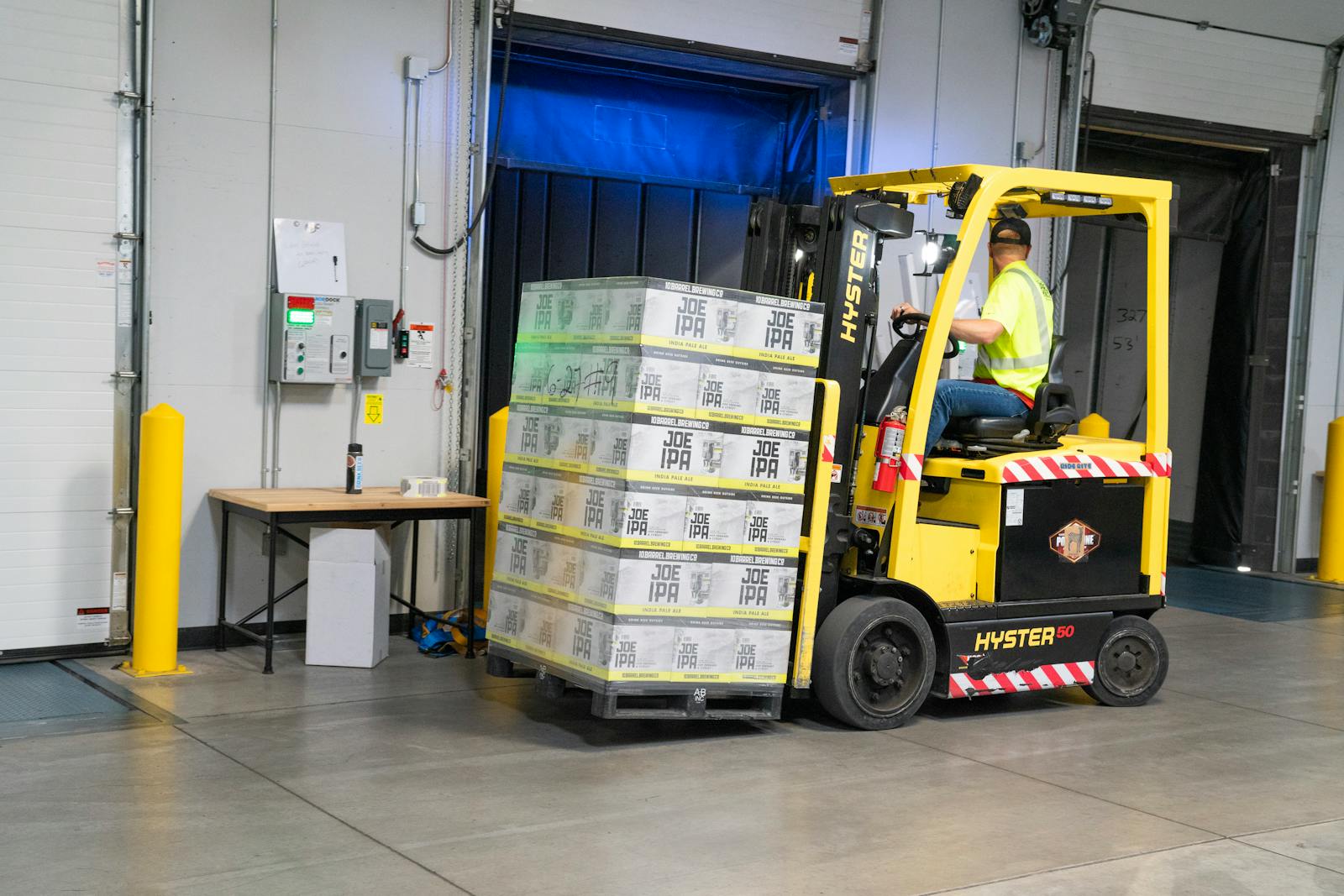

Selecting the right forklift can be a daunting task, especially considering the myriad options available today. A forklift isn’t just a piece of machinery; it’s an investment in your operational efficiency. The ideal forklift can significantly enhance productivity, ensure safety, and even help you manage costs over time. To make the best choice for your specific industry needs, consider several key factors.
Understand Your Operational Needs
Before diving into specifications, it’s crucial to outline your operational needs. This involves assessing the following aspects:
1 Load Capacity: Determine the heaviest items you’ll be moving. Forklifts come with varying load capacities, generally ranging from 3,000 to 80,000 pounds. Assess what you typically lift; choosing a forklift with a capacity that meets this requirement is vital.
2 Environment: The operating environment will greatly influence your decision. Are you working indoors or outdoors? Will you encounter rough terrain or tight spaces? Electric forklifts are often better suited for indoor environments due to their quiet operation and lack of emissions, while internal combustion forklifts are typically better for outdoor use.
3 Maneuverability: In spaces with narrow aisles or congested areas, a compact model can be essential. They are designed for agility and can navigate tight spots more effectively.
4 Forklift Types: There are various types of forklifts, including counterbalance, reach trucks, and pallet jacks. Research which type aligns with your daily activities, as each is designed for specific tasks.
For those looking to reduce downtime and manage operations efficiently, industrial forklift equipment for purchase can offer some excellent options tailored to various industries. Understanding these foundational elements will set the stage for a more informed decision-making process.
Assess the Specifications
Once you’ve clarified your operational requirements, it’s time to delve into the specifications. A handful of critical elements should be taken into account:
- Lift Height: Depending on warehouse racking systems or storage methods, understanding the required lift height will inform your choice of a forklift.
- Fuel Type: Forklifts are available in electric, diesel, and propane models. Each type has its own advantages. For instance, while electric forklifts are often quieter and more suitable for indoor use, diesel and propane models typically offer greater power for outdoor applications.
- Maintenance: Different forklift types may require varying levels of maintenance. Opting for models that are easier to service can save you time and money in the long term.
- Ergonomics: Comfort matters, especially for operators who spend hours in a forklift. Look for features like adjustable seats, control layouts, and visibility. An ergonomic design can improve productivity and reduce the risk of injury.
Evaluate the Safety Features
Safety should never be an afterthought when choosing a forklift. Look for models endowed with robust safety features:
- Overhead Guards: Designed to protect operators from falling objects, these guards are essential for safety in busy environments.
- Stability Systems: Features such as anti-tip designs can provide extra security, significantly reducing the risk of accidents.
- Pre-Start Checks: Consider forklifts with built-in pre-operational checks. These features can alert operators to potential issues before they start their shift.
- Visibility: Good visibility is crucial for safe operation. Check for features such as wide-view masts and strategically placed mirrors.
Durability and Reliability
Investing in a forklift also means considering its lifespan and reliability. A durable model can handle the rigors of daily use without frequent breakdowns. Seek out brands known for their reliability and consider customer reviews and ratings. Real-world experiences can provide valuable insights that specifications may not reveal.
Additionally, think about the type of warranty offered. A comprehensive warranty can be a good indicator of manufacturer confidence in their product.
The Importance of Training and Support
Once you’ve chosen a model that fits your operational needs, it’s essential to implement an effective training program. Even the best forklift can become a hazard in the wrong hands. Comprehensive training for operators not only enhances safety but can also improve efficiency and reduce wear and tear on the equipment.
Check if the manufacturer or dealer offers any training resources. Some even provide on-site training programs, which can be an invaluable asset.
Furthermore, consider the support from your supplier or manufacturer. Quick access to parts and effective customer service can minimize vehicle downtime, which in turn can impact your entire operation.
Consider the Total Cost of Ownership
Expense can vary widely among different models and brands. While the initial purchase cost is an important factor, it’s wise to consider the total cost of ownership (TCO). This encompasses fuel costs, maintenance, repair, and any additional training or parts that may be required over the forklift’s lifespan.
Calculating TCO can provide a clearer picture of what your investment will truly cost over time. This nuanced understanding can aid in budgeting and ensure that you choose a forklift that not only meets your operational requirements but also fits within your fiscal strategy.
Conclusion
Choosing the right forklift for your industry isn’t just about picking a model from a catalog; it’s about understanding your specific needs and evaluating your options carefully. By assessing operational requirements, safety features, specifications, and total cost of ownership, you will be better equipped to make an informed decision.
Taking the time to research and understand these factors will not only enhance productivity but also ensure a safer working environment for operators. In an ever-evolving industry landscape, having the right equipment can make all the difference in achieving operational excellence.