

How Choose the Best Paper for Lino Printing? Hand Printing vs Printing Presses
Choosing the right paper for lino printing has far more impact on the final result than most people expect. Ink coverage, sharpness of detail, colour strength, drying time, and even how enjoyable the printing process feels are all strongly influenced by paper choice.
Table of Contents
One of the biggest mistakes beginners and even intermediate printmakers make is using the same paper for every setup. What works beautifully when hand printing with a baren or spoon can behave very differently on an etching or relief press.
Before diving into individual paper types, it helps to clearly separate papers that excel at hand printing from those better suited to printing presses.
Quick Comparison: Best Papers for Hand Printing vs Printing Presses
| Printing Method | Paper Type | Typical GSM | Why It Works Well | Best Use Case |
|---|---|---|---|---|
| Hand printing (baren / spoon) | Japanese papers (washi, kozo) | 40–90gsm | Thin, strong fibres pull ink with minimal pressure | Fine detail, layered colour, traditional relief |
| Hand printing (baren / spoon) | Lightweight cartridge paper | 120–160gsm | Easy to burnish, affordable, forgiving | Learning, proofing, editions |
| Printing press | Heavy cartridge paper | 180–250gsm | Handles pressure well, consistent ink transfer | Bold graphic prints, clean editions |
| Printing press | Specialist printmaking paper | 250–300gsm | Archival quality, rich colour, premium feel | Exhibition and sale work |
| Both (hand or press) | Medium-weight printmaking paper | 170–220gsm | Versatile, stable, good ink hold | Multi-colour lino, registration work |
This distinction alone solves many common lino printing frustrations.
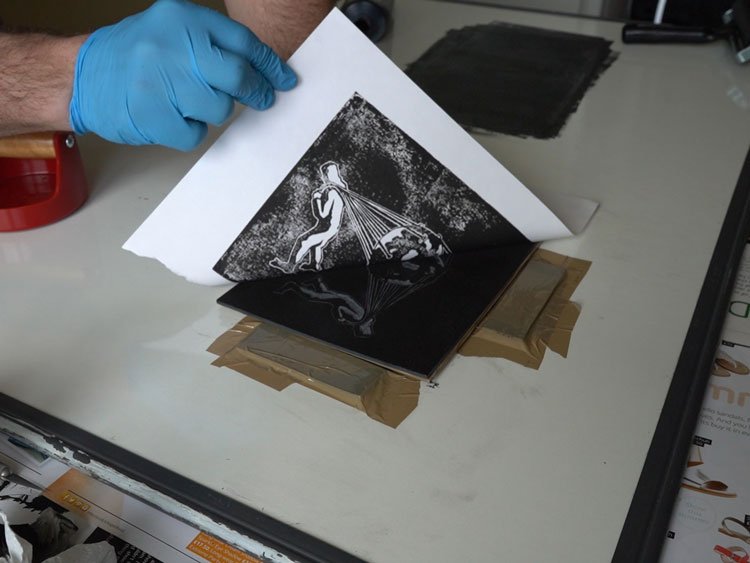
Example of using heavyweight paper when hand printing. Note the flecking in the ink and how the paper shows through the print.
What Lino Printing Demands From Paper
Lino printing is a relief process, meaning the ink sits on the raised surface of the block and is transferred directly onto the paper. Unlike intaglio processes, the ink is not pushed deep into fibres under extreme pressure.
Because of this, the ideal paper for lino printing needs to balance four things:
1. Surface smoothness
Smooth or lightly textured papers capture fine lines, sharp edges, and clean solids far better than heavily textured sheets. Rough paper can create broken ink coverage unless that effect is intentional.
2. Absorbency
Paper must absorb ink just enough to anchor it, without dulling the colour. Over-absorbent papers can make blacks look grey and colours appear flat.
3. Strength under pressure
Whether you are hand printing or using a press, paper must resist tearing, stretching, and distortion. This becomes critical for multi-colour and reduction prints.
4. Compatibility with your ink
Water-based inks and oil-based inks behave very differently. Paper choice becomes even more important when working with fast-drying water-based inks.
Best Paper for Hand Printing Lino Prints
Hand printing relies on friction and pressure applied manually, so paper choice becomes especially important.
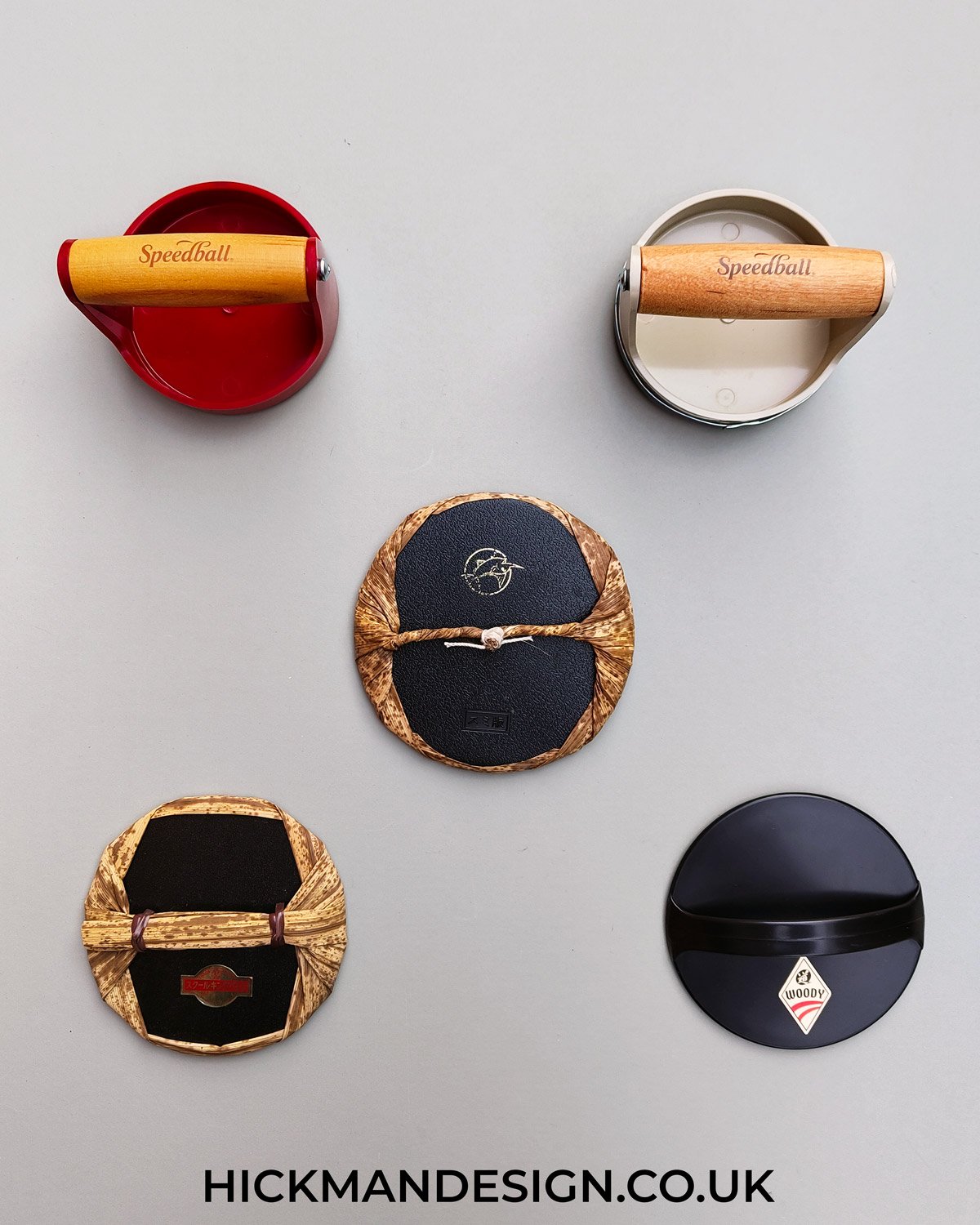
Different Printmaking Barens For Hand-printing Compared
Japanese papers (washi, kozo)
Japanese papers are widely considered the gold standard for hand-printed relief work.
Why they work so well
- Extremely thin yet surprisingly strong
- Long fibres allow ink to transfer with very little pressure
- Excellent for fine detail and layered colour
- Rarely tear when used correctly
These papers mould themselves to the surface of the lino, allowing ink to transfer cleanly even from shallow cuts. This makes them ideal for subtle textures and detailed carving.
The main drawback is cost and availability, and they can feel intimidating at first. However, once you adjust your inking and pressure, they are incredibly rewarding to use.
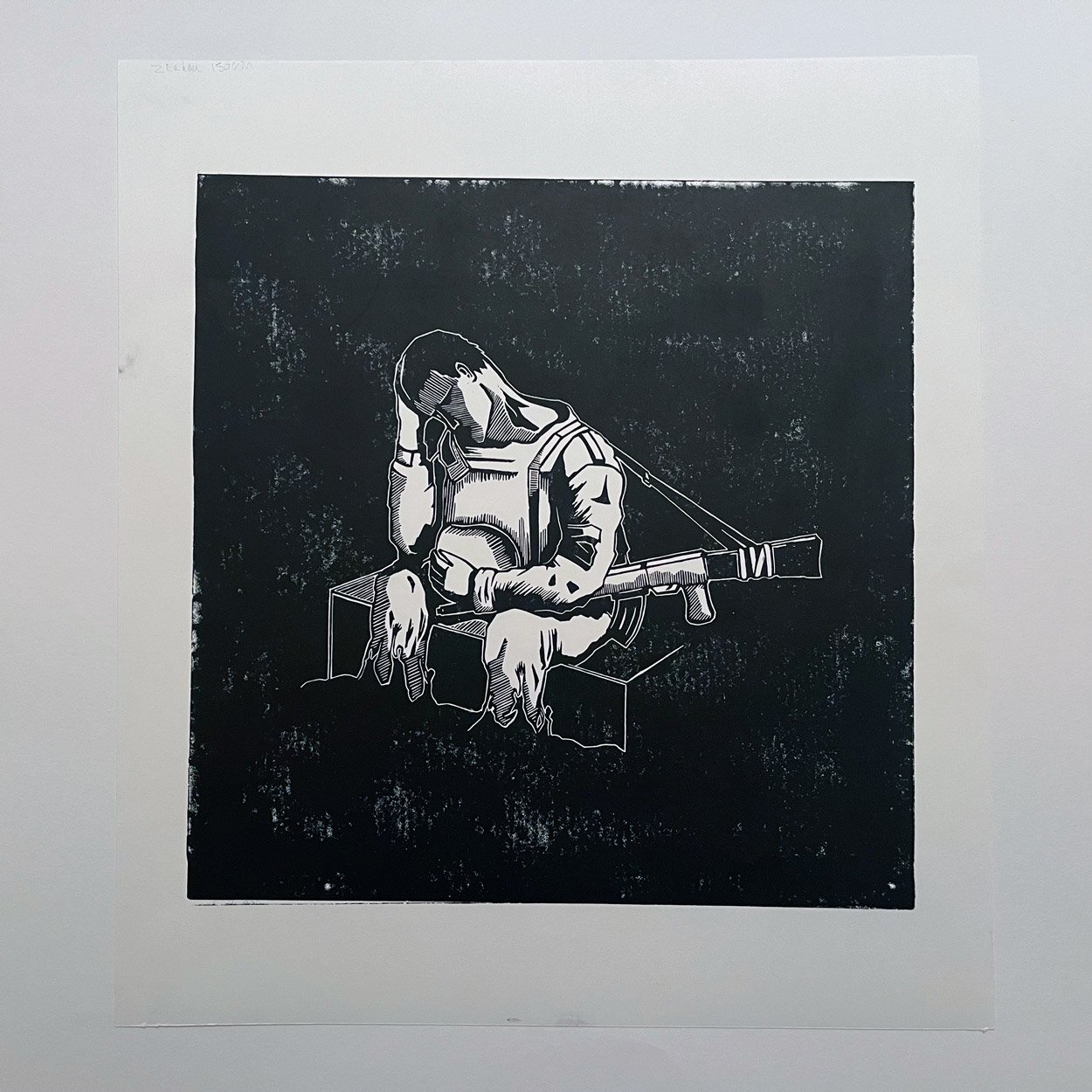
Test hand printed on Zerkall 150 GSM paper with a baren.
Lightweight cartridge paper
Good-quality cartridge paper is one of the most practical choices for hand printing.
Why it is so popular
- Affordable and widely available in the UK
- Predictable behaviour with water-based inks
- Easy to burnish with a spoon or baren
- Great for learning and proofing
A weight between 120gsm and 160gsm works particularly well for hand printing. Heavier cartridge paper becomes harder to burnish evenly without a press.
Best Paper for Printing Lino Prints With a Press
Using a printing press opens up more options, especially for heavier and more structured papers.
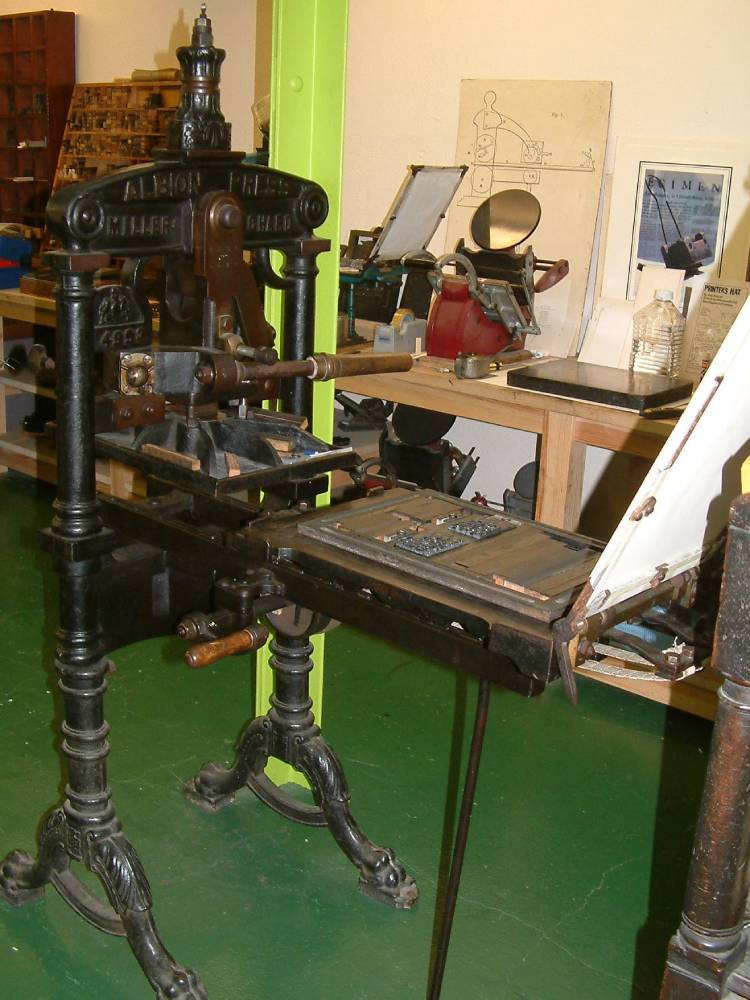
Albion Press which can be used for lino printing – Source: Wikipedia
Heavy cartridge paper
Heavy cartridge paper around 180gsm to 250gsm is a favourite for press printing.
Advantages
- Handles pressure without stretching
- Produces clean, consistent impressions
- Affordable for larger editions
- Works well with both oil-based and water-based inks
This is an excellent middle ground between casual and professional printing.
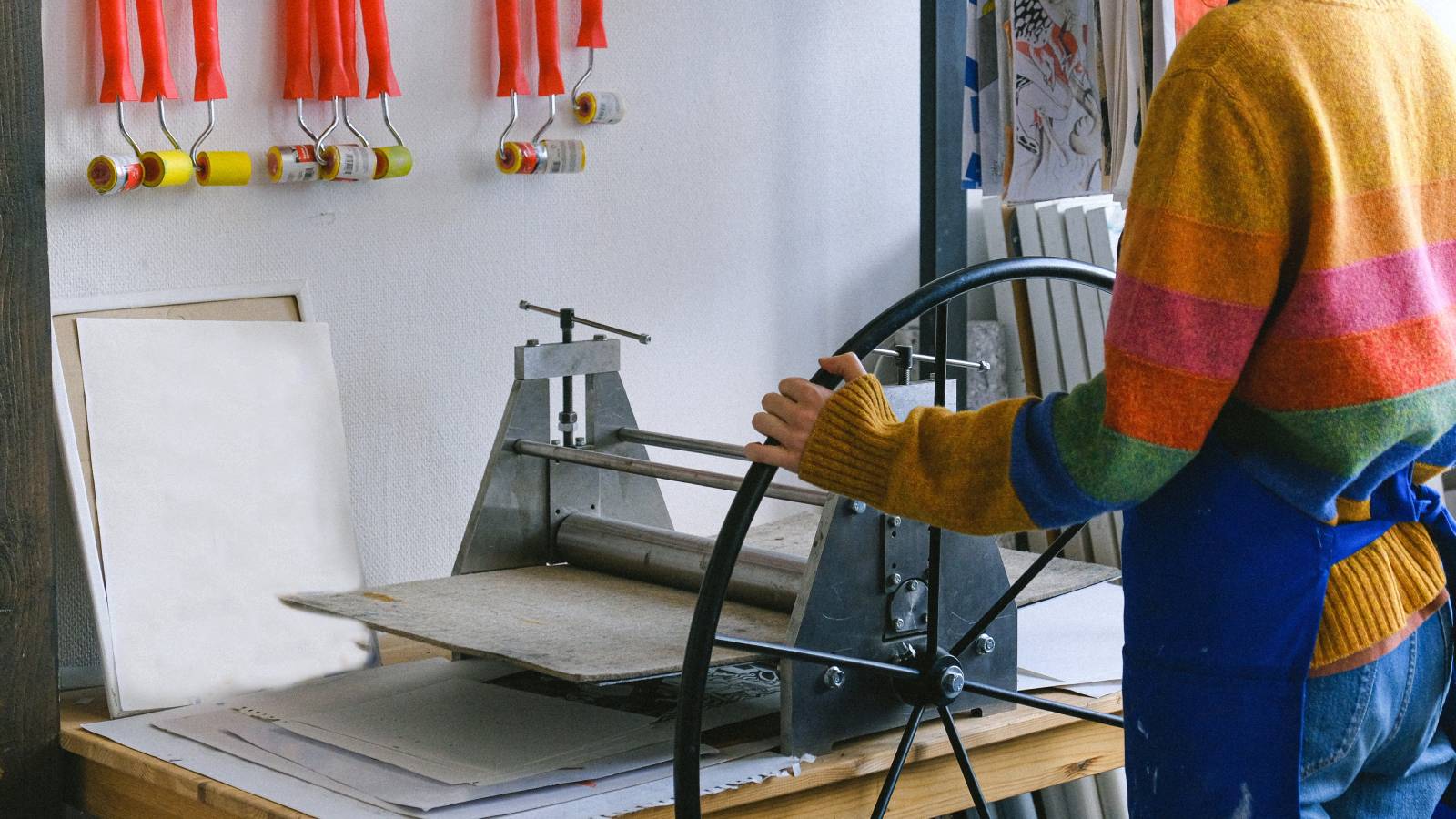
Flat bed roller press which can be used for lino printing and etchings – Source: Pexels
Specialist printmaking papers
For exhibition prints, specialist printmaking papers are hard to beat.
What sets them apart
- Archival quality
- Excellent colour depth and ink hold
- Luxurious weight and texture
- Ideal for selling finished work
These papers are designed to cope with repeated pressure and ink layers, making them ideal for reduction prints and complex multi-colour work.
They do require more careful handling and are best paired with a press for consistent results.
Paper Weight: Heavier Is Not Always Better
A common misconception is that thicker paper automatically produces better lino prints. In reality, lighter papers often outperform heavier ones when hand printing, while presses can take advantage of heavier stock.
As a rough guide:
- Hand printing: 40–160gsm
- Press printing: 170–300gsm
The “best” paper is always the one that suits your process, tools, and ink choice.
Final Thoughts: Start Simple, Then Upgrade
If you are unsure where to begin, a good cartridge paper is the most forgiving and versatile starting point. Once you understand how your ink behaves and how much pressure you naturally apply, experimenting with Japanese or specialist printmaking papers becomes far more intuitive.
Paper is not just a surface. It is an active part of the printmaking process. When the paper works with you rather than against you, lino printing becomes more consistent, more expressive, and far more enjoyable.