

You spend hours perfecting a lino print. The design comes out beautifully. But then you face the display problem.
Traditional mounting means drilling holes or using adhesives that damage walls. The paper displays curl at the edges after a few weeks. You rearrange your studio or prep for a new market, and suddenly those permanent mounts become a hassle. There has to be a better way.
Magnetic prints solve this headache. Your designs stick to metal surfaces without glue. You can move them around easily. Magnetic Stickers give you the professional look you want with the flexibility you actually need. No damage, no fuss, just clean displays that adapt to your changing needs.
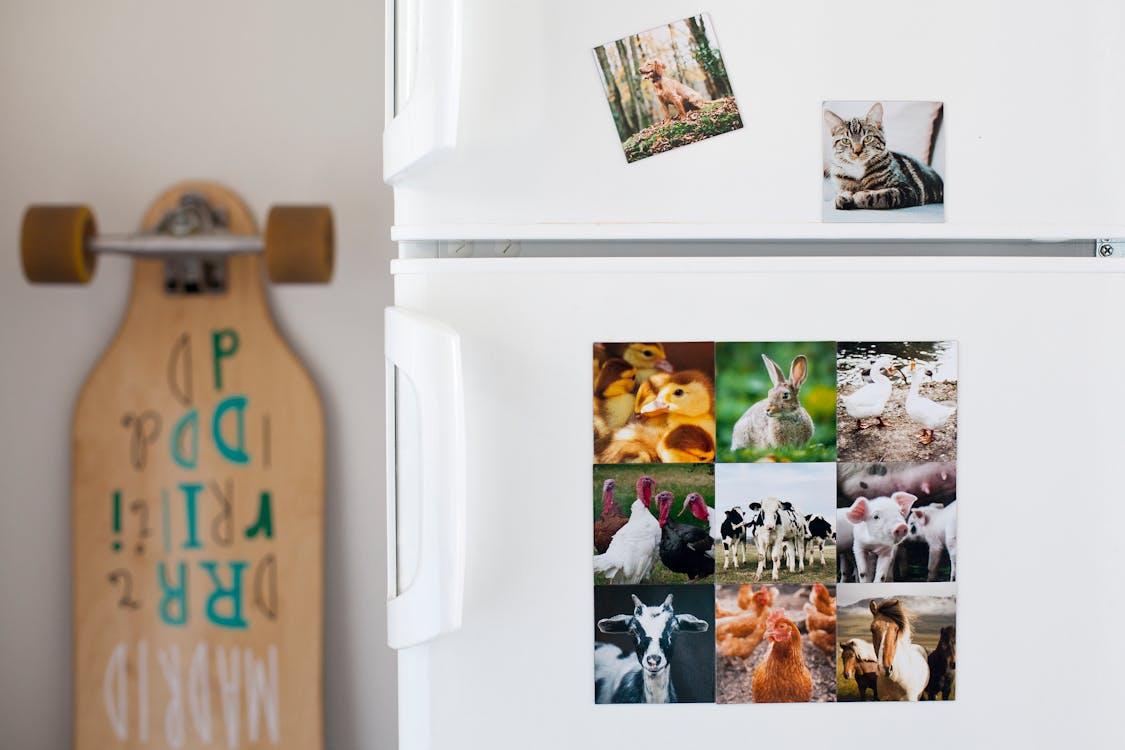 Photo by Squared one
Table of Contents
Why Magnetic Prints Work for Creative Work
Metal surfaces show up everywhere in art spaces. Your filing cabinet, market stall frames, van doors, and even some easels have metal components. All of these become instant display areas.
This matters more than you might think. You can test different layouts on your vehicle before heading to a show. Swap pieces between events based on what sold last time. Update your studio wall without patching holes every month. The same print works inside your workspace and outside on your van.
Weather protection adds real value here. Regular paper prints fade fast under sunlight. Humidity makes them buckle and warp. Magnetic prints with UV-stable coating keep their color through months of exposure. Rain just slides off instead of soaking through and ruining everything.
Getting Your Files Ready
Your file format makes a huge difference. Vector files scale up or down without getting fuzzy. They work great for bold designs with clean lines. Raster images can work too, but you need high resolution. Aim for 300 DPI at the size you want printed.
Color accuracy requires some prep work. What you see on your screen won’t always match the final print. RGB colors need conversion to CMYK for printing. Request proof if your brand colors need to be exact. Most print shops provide color guides showing how screen colors translate to paper.
Size affects both cost and impact. Bigger prints cost more but grab more attention. Smaller prints suit detailed work where people look up close. The National Institute of Standards and Technology notes that magnetic strength scales with surface area. Larger prints naturally grip better on vertical surfaces.
Real Ways Artists Use Magnetic Displays
Market vendors love these for quick setup. You arrive at your stall with a box of magnetic samples. They stick to your metal display grid in minutes. Do you notice changes or do you notice customers ignoring certain pieces? Swap them out right there. No tools needed.
Studio Organization That Actually Helps
Your workspace needs flexible systems. Pin reference images near your printing station. Stick work samples on filing cabinets for easy comparison. Unlike bulletin boards that get crowded with pinholes, metal surfaces stay clean. You rearrange as your projects change.
Portfolio Meetings Made Simple
Client meetings get easier with magnetic mounting. You walk into their office and stick samples on filing cabinets or metal doors. It looks professional and beats fumbling with loose prints in a folder. When you leave, everything comes off without leaving marks.
Mobile Advertising That Works
Your van becomes a moving gallery. Cover it with print samples during transit. This works especially well if you do multiple markets across different towns. Every trip advertises your work to new people. No extra marketing budget required.
Material Quality You Can Actually See
Manufacturing location matters for quality control. UK-produced prints typically meet stricter standards than imports. Local production also cuts shipping distances. Less fuel burned, lower costs, smaller carbon footprint.
UV stability stops the color fade problem. Standard prints lose their punch after months in sunlight. UV-stable inks resist this breakdown. Your designs stay sharp for years. This matters when your prints represent your professional brand at event after event.
Weather Performance
Weatherproofing extends to where you can use these prints. Rain destroys paper displays fast. So do humidity and temperature swings. Sealed magnetic prints handle these conditions without warping or peeling. The extra cost for weatherproof materials pays off through longer print life.
Surface compatibility needs checking first. Most magnetic prints stick to steel, but not aluminum or stainless steel. Test adhesion on your actual display surfaces before ordering bulk quantities. Thicker magnetic backing provides a stronger hold on vertical surfaces and in windy conditions.
Making This Work in Your Practice
Start with your best sellers. Which designs get the most attention at markets? Convert those to magnetic format first. This limits your initial spending while you test how magnetic displays fit your workflow.
Storage becomes surprisingly simple. Flat magnetic prints stack without frames or sleeves. A standard portfolio case holds dozens of designs. This takes up way less space than traditionally mounted work. Perfect for artists working from small studios or traveling frequently.
Maintenance and Care
Cleaning takes almost no effort. Wipe the surface with a damp cloth. Dust and fingerprints come right off. The sealed surface protects your printed design underneath. Normal handling won’t damage anything. This beats paper prints that need careful treatment every time.
Reordering makes economic sense for popular designs. Once you have a file ready for magnetic printing, getting more copies costs less than creating new mounted pieces. This helps you maintain a steady inventory without manual labor for each replacement.
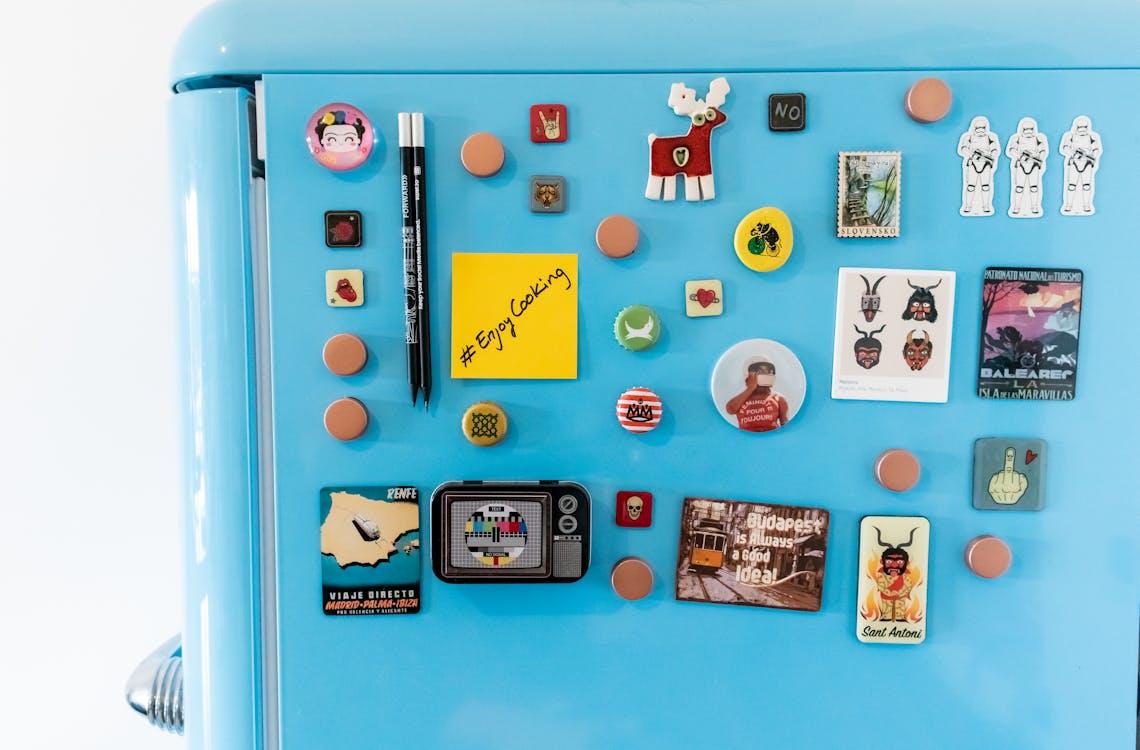 Photo by Walls.io
Building a Complete Display Strategy
Magnetic prints don’t replace every other display method. The gallery shows still need proper framing and permanent mounting. But for working situations where you need flexibility, magnetic options fill a real gap.
Think about your actual display needs. Indoor studio use doesn’t need heavy weatherproofing. Outdoor market stalls do. Vehicle mounting requires stronger adhesion than filing cabinet displays. Match your magnetic print specs to your toughest use case. This prevents disappointment down the road.
Budget smart by thinking long term. Higher-quality magnetic materials cost more upfront. But they last longer than cheap alternatives. Calculate cost per use instead of just sticker price. A print surviving two years of weekly markets delivers better value than one needing monthly replacement.
The key is matching the tool to the job. Magnetic displays excel at temporary, flexible mounting situations. They let you adapt quickly without permanent changes to your space or equipment. For working artists who need that kind of flexibility, they solve a genuine practical problem.