


Furniture manufacturer in North Carolina spent $8,400 on a single product photoshoot last year. Rented studio space, hired photographer, built three prototype chairs that never went into production. Six weeks later, the client wanted different upholstery colors. Start over, another $8,400.
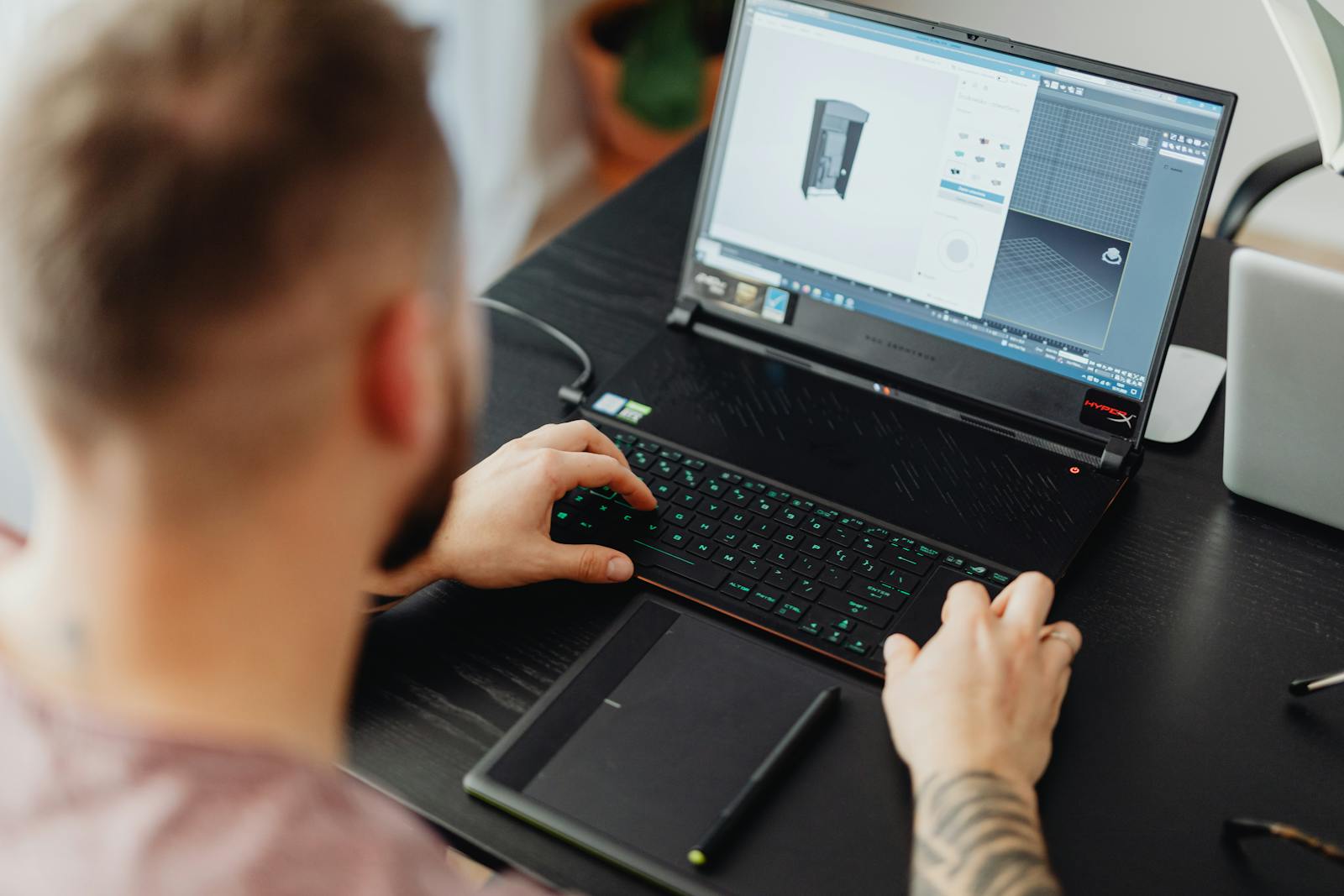
That’s why companies hire 3d modeling service teams instead of photographers now. Build the product once in software, change materials in twenty minutes, render fifty color variations before lunch. No studio, no prototypes, no reshoot fees.
Table of Contents
Cost structure breaks differently
Traditional product photography runs $150–$400 per shot, depending on complexity. Sounds reasonable until you count revisions. Client wants the lamp tilted 15 degrees left? Photographer needs the physical product back, reschedules studio time, shoots again. That’s another invoice.
3D modeling flips this. Upfront cost hits harder – $800–$2,500 for a detailed furniture model – but revisions cost almost nothing. Tilt the lamp, change wood grain, swap out fabric texture, adjust lighting temperature. Designer clicks buttons, renders new image, done. Houston-based interior design firm told me they rendered 47 variations of one sofa configuration in a single afternoon. Would’ve taken three months with traditional photography.
According to CGTrader’s 2023 industry report, companies using 3D product visualization reduced time-to-market by 40% compared to photography-dependent workflows.
But cost isn’t why most companies switch.
It’s the timeline. E-commerce brands need product images before manufacturing even starts. Marketing campaigns launch while the factory’s still tooling up. You can’t photograph something that doesn’t exist yet. 3D artist builds it from CAD files, technical drawings, material specs. Photorealistic renders ready six weeks before first production unit ships.
What actually gets modeled
Architectural visualization – buildings that haven’t been built. Real estate developers sell condos two years before breaking ground. Buyers tour photorealistic interiors, pick finishes, choose layouts. All CGI. Miami luxury development sold 60% of units off-plan last year using nothing but rendered walkthroughs.
Product design iteration happens faster in 3D. Industrial designer sketches concept, 3D modeler builds it, stakeholders review, designer tweaks proportions, modeler updates file. Cycle repeats fifteen times before anyone touches sheet metal or plastic injection molds. Automotive industry does this religiously – clay models died in the 90s, now it’s all Alias surface modeling and VRED rendering.
Furniture and home goods dominate the commercial 3D modeling space. Makes sense – high SKU counts, frequent style updates, expensive photography. Wayfair’s catalog has 14 million products. You think they photographed 14 million items? Most of it’s rendered from manufacturer CAD data.
Here’s what clients actually request when they hire modeling services:
- Product configurators – customer picks color, size, material options, sees updated 3D preview in real-time. Shoe companies love this, furniture retailers need it, automotive sector spent billions building them.
- Exploded view diagrams – take product apart digitally, show how components fit together. Technical documentation, assembly instructions, patent applications. Much clearer than photography because you can position parts in physically impossible arrangements.
- Environmental context shots – product placed in realistic room settings, outdoor scenes, lifestyle contexts. Costs fraction of location photography, weather never matters, permits unnecessary.
- Animation and video – 360-degree spins, product demonstrations, assembly sequences. Same 3D model gets reused across still images and motion content.
Medical device companies use 3D modeling for regulatory submissions now. FDA wants to see internal mechanisms, material compositions, failure modes. Can’t photograph the inside of a sealed implantable device without destroying it. 3D artist builds cutaway views, transparent overlays, color-coded component breakdowns.
A 2024 study by Deloitte found that 73% of manufacturers now use 3D visualization during product development stages, up from 31% in 2019.
Technical requirements nobody mentions upfront
Subsurface scattering separates amateur 3D work from professional results. Light penetrates surface, bounces around inside material, exits somewhere else. You see it in wax candles, marble countertops, human skin, certain plastics. Without proper subsurface scattering, materials look wrong. Can’t articulate why, they just feel off.
Lighting makes or breaks realism. Not talking about brightness – talking about light behavior. How it wraps around curved surfaces, creates gradients in shadows, produces specular highlights at specific angles, color-bleeds from nearby objects. HDRI environment maps solve this. Capture real-world lighting data from actual locations, apply it to 3D scenes. Suddenly your rendered chair looks like it’s actually sitting in that room.
Polygon count matters less than people think. Seen beautiful renders from 50,000-polygon models, seen garbage from 2-million-polygon models. Topology matters more – how those polygons flow across the surface. Clean topology deforms properly when you animate it, holds shape during subdivision, doesn’t create weird artifacts in reflections.
Texture resolution gets expensive fast. 4K texture maps for a single material – diffuse, normal, roughness, metallic, ambient occlusion – that’s 80+ megabytes right there. Complex product might need twenty materials. File sizes balloon, render times increase, preview performance suffers. Optimization becomes crucial for any project with multiple products or animation requirements.
California design agency learned this the hard way. Commissioned full product line modeling – 37 furniture pieces, photorealistic quality. Received files, couldn’t open them on office workstations. Each scene file was 4+ gigabytes, required 32GB RAM minimum, GPU rendering only. They’d spec’d the work but never asked about deliverable file requirements. Had to lease cloud rendering instances just to generate images from assets they owned.
Most professional 3D modeling services offer different output levels now. Web-resolution renders for e-commerce, print-resolution for catalogs, source files for future modifications, optimized game-ready models for AR applications. Price scales with deliverable complexity, not just initial modeling work.
Turnaround time depends on complexity and revision rounds. Simple product with clear reference images – maybe one week. Architectural interior with custom furniture, specific materials, dramatic lighting – six weeks isn’t unusual. Add client revisions and timeline extends fast. Smart clients provide detailed briefs upfront, reducing back-and-forth iterations.
The ROI calculation seems obvious until you factor in opportunity cost. Photography requires finished product. 3D modeling works from design data. That six-week head start on marketing campaigns, presales, retail buyer presentations – sometimes that’s worth more than the cost savings.