

















Description
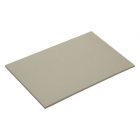
A4 Lino Sheets for Lino Printing
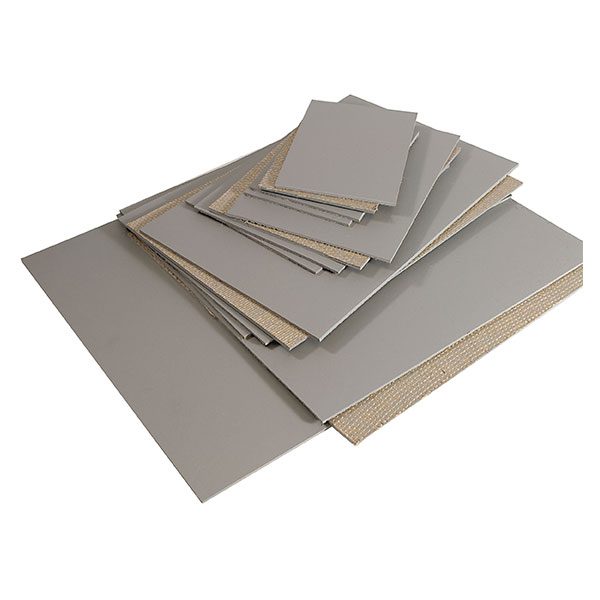
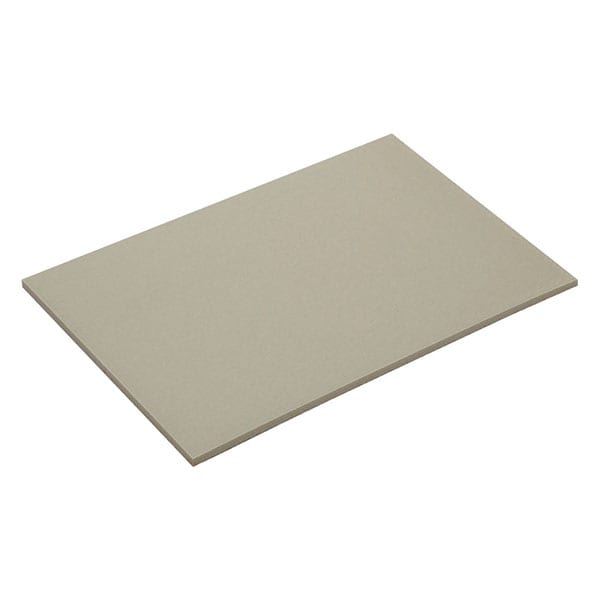
These A4 lino sheets are ideal for lino printing, relief printing and block printing. Each sheet measures 210 x 297mm, the standard A4 size, and is 3.2mm thick, giving you a firm, smooth surface for carving designs by hand.
Made from traditional grey linoleum, this lino is suitable for beginners, students, printmaking workshops and experienced artists. The consistent surface makes it suitable for cutting fine lines, bold marks and larger carved areas, giving you a reliable block for a wide range of printmaking projects.
Traditional Grey Linoleum for Printmaking
Traditional lino has been used by printmakers for generations and remains one of the most popular surfaces for relief printing. Unlike softcut or vinyl-style alternatives, grey linoleum gives a more traditional carving feel and a firmer surface that holds detail well.
This type of lino is made using natural raw materials, traditionally including linseed oil, pine resin and wood flour applied to a jute backing. This gives the sheet its familiar smooth grey surface and makes it well suited to carving, inking and printing.
Once carved, the lino block can be inked with a roller and printed by hand, with a baren, with a spoon, or through a suitable printing press. It can be used with both water-based and oil-based block printing inks, making it a practical choice for home studios, classrooms and printmaking workshops.
The A4 size is especially useful for cards, small posters, test prints, reduction prints, artwork studies and general lino printing projects. It gives you enough space for more detailed compositions while still being easy to handle on a desk, bench hook or printing surface.
Why Choose A4 Lino Sheets?
- Standard A4 size: 210 x 297mm
- 3.2mm thick traditional grey lino
- Made from traditional linoleum with a jute backing
- Smooth, consistent surface for carving and printing
- Suitable for lino printing, relief printing and block printing
- Good for beginners, students, artists and workshops
- Can be used with water-based and oil-based inks
- Suitable for fine detail, bold designs and repeated printing
- Can be cut down into smaller pieces if needed
Tips Before Carving
Traditional lino can feel firmer in colder conditions. For easier and safer cutting, gently warm the lino before use. Placing it in a warm room or near a gentle heat source can help soften the surface slightly, allowing your cutting tools to move more smoothly through the material.
For best results, use a bench hook to hold the lino steady while carving. This gives you more control and helps keep your hands safer while working. Some printmakers also lightly sand the surface with fine-grade sandpaper before inking. This helps create a slight key on the surface, allowing the ink to grip more evenly across the block.
Storage Advice
Traditional lino can dry out over time as the linseed content naturally evaporates. To help keep your lino in good condition, store it flat where possible and keep it in an airtight bag or container when not in use.
If the lino remains very hard even after gentle warming, it may have dried out and become unsuitable for carving. Fresh lino should soften slightly when warmed and should cut cleanly with suitable lino cutting tools.
Frequently Asked Questions
What size is an A4 lino sheet?
An A4 lino sheet measures 210 x 297mm.
How thick is this lino?
This Essdee lino sheet is 3.2mm thick.
Is this traditional lino or softcut?
This is traditional grey linoleum, not softcut. It has a firmer carving surface and is commonly used for lino printing, block printing and relief printing.
What is traditional lino made from?
Traditional linoleum is made using natural raw materials, commonly including linseed oil, pine resin and wood flour on a jute backing. This gives it the firm, smooth surface used for relief printmaking.
Is A4 lino suitable for beginners?
Yes. A4 lino is a good size for beginners because it gives enough space for a design while still being manageable to carve, ink and print.
Can I use oil-based ink with this lino?
Yes. This lino can be used with both water-based and oil-based block printing inks.
Should I warm lino before cutting?
Yes. Traditional lino can be easier to carve when slightly warmed, especially in colder rooms. Warming the lino helps soften the surface and can make cutting smoother and more controlled.
Should I sand lino before printing?
Lightly sanding the surface with fine-grade sandpaper can help improve ink coverage. This gives the surface a slight key, helping the ink roll out more evenly across the block.
How should I store lino sheets?
Store lino flat where possible and keep it in an airtight bag or container to help stop it drying out. Avoid storing it in very cold or dry conditions.
What tools do I need with A4 lino sheets?
You will usually need lino cutting tools, a bench hook, a roller, block printing ink and suitable paper. A baren, spoon or press can also be used to transfer the print.
Can I cut A4 lino into smaller pieces?
Yes. A4 lino can be cut down into smaller blocks for cards, test prints or smaller designs. Score carefully with a sharp craft knife and snap or cut through as needed.
Lino Sheet Size Guide
| Size | Dimensions | Best for |
|---|---|---|
| A5 lino | 148 x 210mm | Small prints, cards and test designs |
| A4 lino | 210 x 297mm | General lino printing, posters, workshops and artwork studies |
| A3 lino | 297 x 420mm | Larger prints, detailed compositions and bigger projects |


There are no reviews yet.